
After the First Hard Freeze: What Zipco Checks on Dayton Gutters
The first hard freeze of the season shows which Dayton gutters are ready for winter. Here's what it reveals and what Zipco checks on a gutter repair visit.
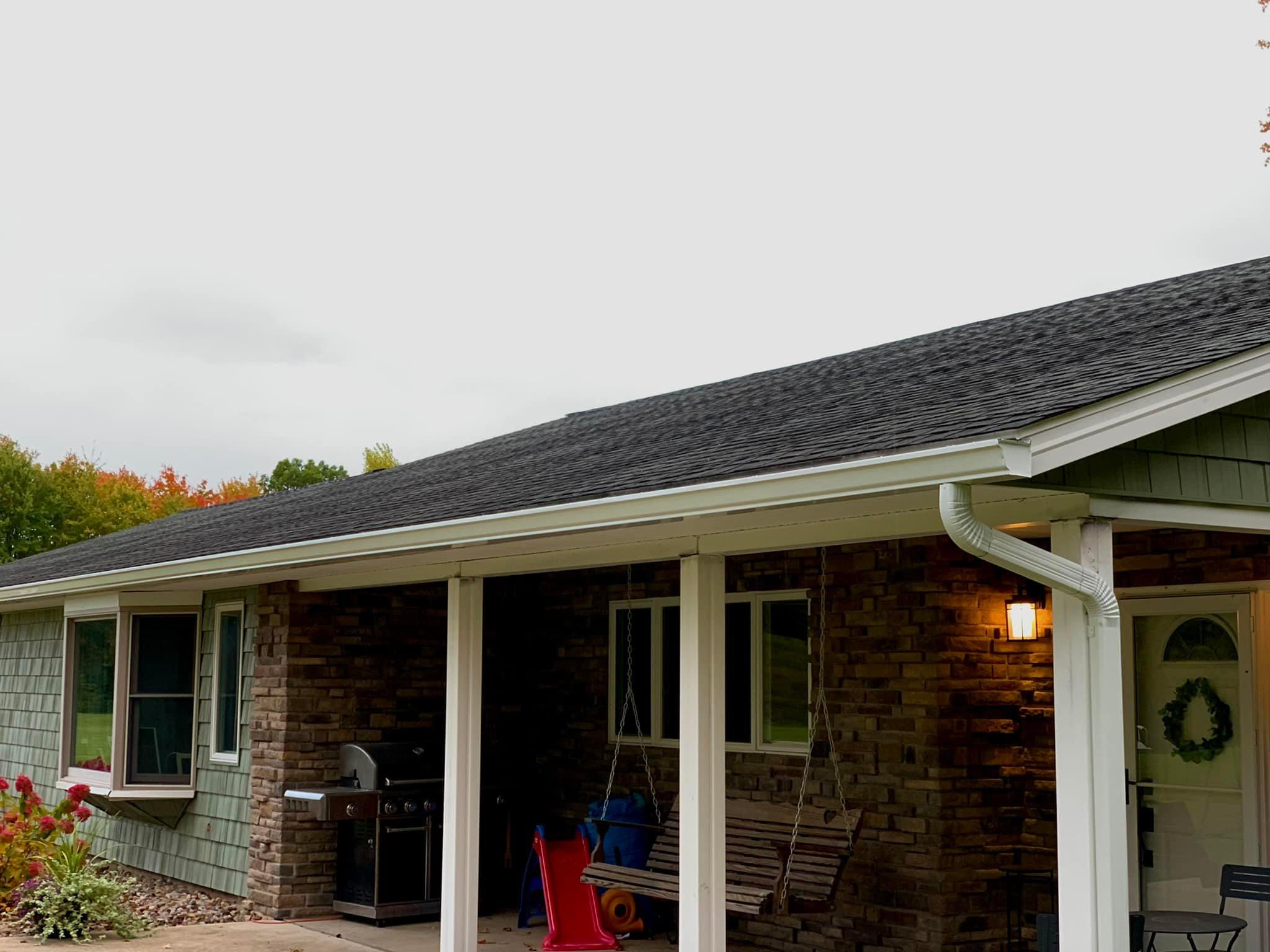
The first hard freeze of the season is a stress test for your gutters, and it often shows exactly where the weak spots are. Water that was sitting in clogs, low spots and leaky seams freezes and expands, and when it thaws, the leaks, sags and overflow it leaves behind are easier to see. If something changed after the first freeze, it's worth having it looked at before the rest of winter makes it worse. Zipco's repair visits find the cause and fix it.
The work of getting ready for winter is covered in our Columbus and Dayton freeze-thaw checklist. This post is about what comes after: what the first freeze reveals, and what we check when we come out.
What a hard freeze does to a gutter
A gutter that drains completely handles a freeze well. The trouble comes from water that stays behind:
- In a clog, where wet leaves and debris hold water that freezes into a solid block.
- In a low spot, where water pools because the gutter has lost its pitch.
- In a seam or corner, where water seeps into a small gap, freezes and pushes it open a little more.
- In a downspout, where a partial clog traps water that freezes into a plug.
- Behind the gutter, where water that got past the back edge freezes against the fascia.
When the ice melts, the water has to go somewhere. If the system is damaged or blocked, it goes over the edge, through the joints or down the fascia.
Signs to notice after the first freeze
Most of these can be seen from the ground, especially during the first thaw or rain afterward:
New drips at seams and corners
A joint that was dry in fall and drips after the freeze has likely been pushed open. Corners and end caps are the usual spots.
Water spilling over the front
Overflow in a spot that used to drain fine often means ice or debris is blocking the gutter or the downspout below it.
A section that sags or dips
Ice adds weight in the same places that water collects. A section that's started to sag after a freeze may have loose hangers or a lost pitch.
A gap behind the gutter
If the gutter has pulled away from the fascia, even slightly, water can run straight down the board.
Icicles in one spot
Icicles that form in one place usually point to a local problem there: a low spot, a leaking joint or a backed-up downspout.
A silent downspout
A downspout that stays quiet while the gutter above it is full is probably blocked.
Stains on the fascia or siding
Fresh streaks below the gutter after a thaw are a sign water is getting behind it.
What Zipco checks on a repair visit
Our Dayton gutter repair work starts with a diagnostic visit. We identify the root cause, whether it's pitch, support or material failure, and quote the fix. Here's what we look at:
Pitch
We check that each run slopes about ¼ inch per 10 feet toward the downspouts, and look for low spots where water and ice collect.
Hangers
We look at how the gutters are hung and whether the hangers are holding. Hangers should be about every 24 inches. Older spike-and-ferrule hardware often loosens over time. Our post on spike-and-ferrule gutters in Dayton explains why the cold is hard on it.
Seams, corners and end caps
We look for drips, stains and failed sealant at every joint.
Downspouts
We check each downspout for clogs, crushed sections, loose straps and disconnected outlets, and look at whether there are enough downspouts for the length of the run. A good rule of thumb is roughly one per 30–40 feet of gutter.
Fascia and soffit
We look for soft wood, peeling paint, stains and gaps behind the gutter line, along with any damage to the soffit.
How we fix what the freeze found
Once we know the cause, the repair is usually straightforward:
- Sag correction: re-pitching and re-securing sections with heavy-duty hangers screwed into the rafters.
- Seam resealing: cleaning and resealing leaking joints with gutter sealant.
- Hanger replacement: swapping failing spike-and-ferrule hardware for hidden hangers.
- Downspout repair: re-attaching, replacing or re-routing damaged downspouts and clearing chronic clogs.
- Fascia repair: replacing localized rotted sections and re-mounting the gutter properly.
Every repair is water-tested before we leave the property. Repair quotes are usually same-day, most repairs are completed within 3–5 days of an approved quote, and most jobs take a single visit of 1–3 hours.
If the gutters are still full of leaves, a Dayton gutter cleaning may be part of the fix, since a gutter packed with wet debris will keep freezing in the same places.
Repair or replace?
Most freeze damage is repairable. Repair makes sense when gutters are under 10 years old and the damage is localized. If the freeze showed problems all around the house, such as multiple leaking seams, widespread sagging or rust on older steel gutters, replacement may be the better investment. Our post on rusted steel gutters in Dayton covers when older gutters are past repair.
Where we work around Dayton
We repair gutters across the Miami Valley, from Kettering, Oakwood and Centerville to Beavercreek, Huber Heights, Springboro and Miamisburg. Long gutter runs on ranch homes and older gutters on established homes are often where freeze damage shows up.
Frequently Asked Questions
My Miamisburg gutters started leaking at a corner after the first freeze. Can it be fixed in winter?
Usually, yes. We'll look at the corner, let you know when the repair can be scheduled, and then clean the joint, reseal it and water-test the repair. If the corner keeps failing, we'll talk about whether the gutters are due for replacement.
A section of gutter on my Huber Heights home sagged after the freeze. Is it an emergency?
A sag isn't usually an emergency, but it tends to get worse as ice collects in the low spot. We re-pitch the section and re-secure it with hidden hangers screwed into the rafters, and check whether the fascia behind it is still sound.
How do I know if the freeze damaged the gutters on my Kettering home?
Watch the first thaw or rain afterward. New drips at seams, water spilling over the front, a sagging section, a gap behind the gutter, icicles in one spot or a downspout that doesn't run are all signs worth having checked.
Let's see what the freeze found
If your gutters changed after the first hard freeze, the Zipco Gutters team can find the cause and give you a free, written, itemized estimate anywhere in Greater Dayton. No pressure.
Get a free gutter quote in your city
Serving Cleveland, Columbus, and Dayton with seamless aluminum gutters, written quotes, and a workmanship warranty.