
Cleveland Gutter Repair: Fixing Leaks and Sagging Before the Snow Hits
Leaking seams, sagging runs or loose downspouts? How Cleveland homeowners can spot gutter problems in fall and get them repaired before lake-effect snow.
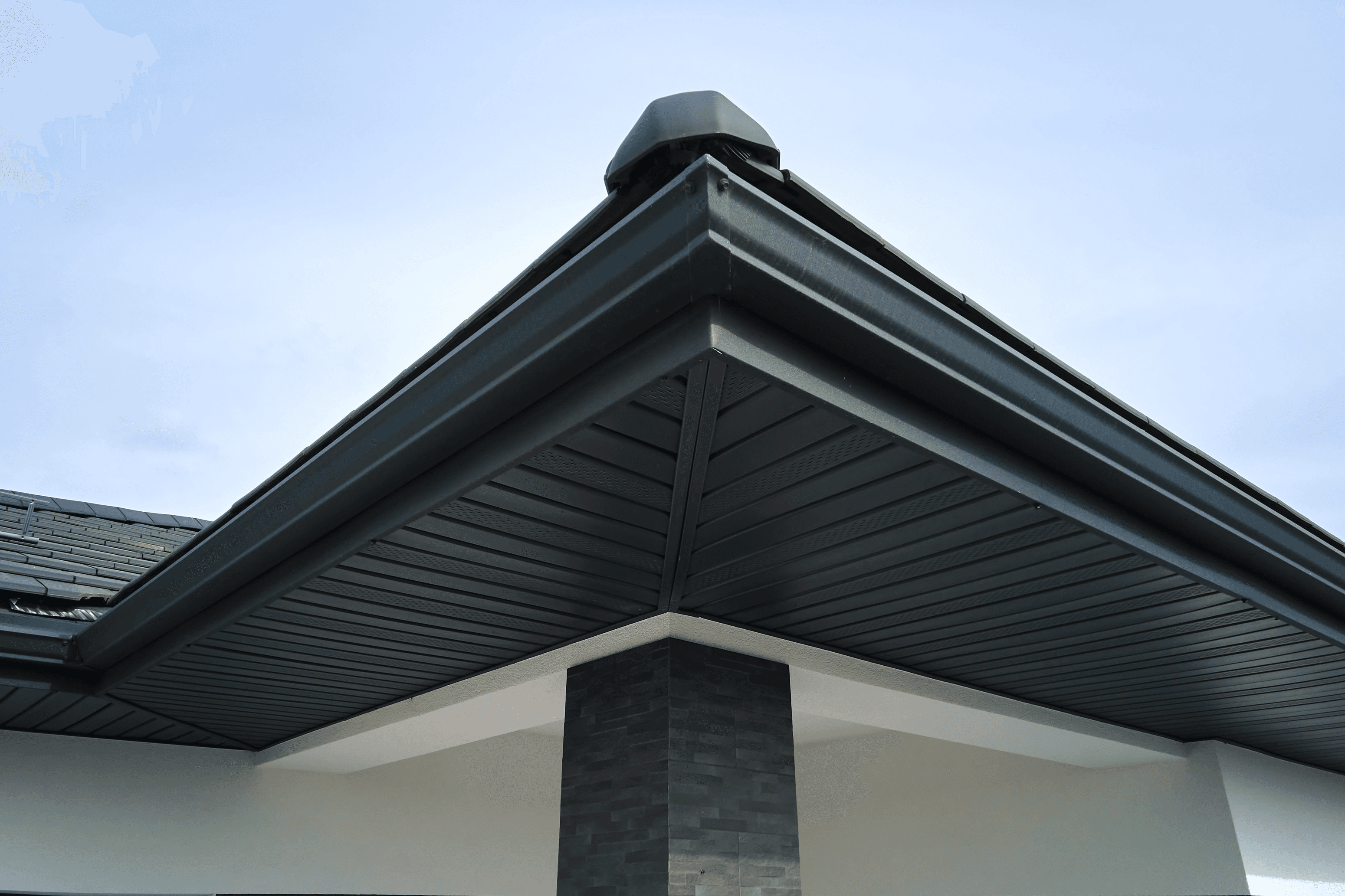
A small gutter leak or a slight sag in October is a minor repair. The same problem after a Cleveland winter of snow, ice and freeze-thaw is often a bigger one, with damaged fascia or siding to fix as well. Fall is the best time to find and fix gutter problems, while the weather still allows a proper repair and before the gutters have to carry ice.
Here's what to look for, how common leaks and sags are repaired, and how to decide between repair and replacement.
Why fall repairs matter in Northeast Ohio
Northeast Ohio winters test every weak point in a gutter system. Lake-effect snow adds weight along the roof edge, and repeated freezing and thawing works water into any gap it can find. A seam that drips a little in the fall can open further every time trapped water freezes and expands. A hanger that's loose in October has to hold snow and ice for months.
Repairs also simply go better in the fall. Sealant bonds best on clean, dry joints, and crews can work safely on ladders before ice and snow arrive.
Finding the leaks
The best time to look is during or just after a steady rain. Walk around the house and check these spots.
Seams and joints
On sectional gutters, every joint between sections is a potential leak. Look for drips along the run, or streaks on the gutter face below a joint.
Corners
Corners are joined pieces on most gutter systems, seamless ones included, and they take water from two directions. They're one of the most common places for a leak to start.
End caps and downspout outlets
The ends of each run and the openings where downspouts connect are sealed joints too. Water dripping from the end of the gutter, or around the top of a downspout, usually means the seal has failed.
Behind the gutter
If water runs down the fascia or siding rather than dripping from the gutter itself, it's getting behind the gutter. That can mean a gap between the gutter and the fascia, or water overshooting the back of the gutter at the roof edge. Stains, peeling paint and soft wood behind the gutter are the giveaways.
Our guide to spotting hidden gutter leaks covers leaks that are harder to see.
How leaks are fixed
For leaking joints, corners and end caps, the repair is straightforward: we clean the joint, reseal it with high-grade gutter sealant, and water-test it to confirm it holds. Sealant over a dirty, wet joint doesn't last, so the cleaning step matters.
When the same joints keep failing, resealing becomes a recurring cost. For chronically leaking sectional gutters, converting to seamless is a permanent fix, because there are no joints along the run to fail.
Don't forget the downspouts
Downspout problems often look like gutter problems. A downspout that's crushed, disconnected or packed with debris backs water up into the gutter, which then overflows or leaks at the outlet. While you're walking around the house, look for:
- Water pouring from an elbow or a joint partway down the downspout.
- A downspout pulling away from the wall, with loose or missing straps.
- A crushed or bent section near the ground, often from a lawn mower or a car.
- Water pooling at the outlet instead of running away from the house.
Damaged or disconnected downspouts can be reattached, replaced or re-routed, and chronic clogs cleared. While you're at it, make sure each downspout empties at least 4–6 feet from the foundation, using an extension if needed.
Fixing sagging sections
A sagging gutter holds water in the low spot, and in winter that water freezes. Sags usually come from loose or failed hangers, the weight of debris, or soft fascia. We re-pitch and re-secure sagging sections with heavy-duty hidden hangers screwed into the rafters, replacing old spike-and-ferrule hardware where we find it.
If the fascia behind the gutter has rotted, the damaged section is replaced before the gutter is re-mounted, and it can be wrapped in aluminum for a paint-free finish. See our fascia and soffit page for details, and our post on why gutters pull away from the house for more on the causes of sagging.
Repair or replace?
Repair makes sense when the gutters are under 10 years old, the seams are tight and the damage is localized: a sagging hanger, one separated joint, a damaged downspout. Sometimes a $200 repair is the right answer.
Replacement is worth considering if you're seeing widespread sagging, multiple leaks, peeling paint behind the gutters or rotting fascia. If that's where your system is, new seamless gutters before winter may be the better move. Our post on installing seamless gutters before lake-effect season explains the process.
Before the repair visit
Until the repair is done, a few simple steps limit the damage. Keep the gutters clear so a weak section isn't holding extra weight. Make sure the downspout extensions are in place. During the next rain, note exactly where you see drips, overflow or water running behind the gutter; a few photos taken from the ground help pinpoint the problem quickly. Stay off the ladder in wet or icy weather.
What a repair visit looks like
- Diagnostic visit. We find the root cause, whether that's pitch, support or material failure, and quote the fix. Repair quotes are usually same-day.
- Scheduling. Most repairs are completed within 3–5 days of an approved quote.
- The repair. Most jobs are done in a single visit, often in 1–3 hours.
- Water test. Every repair is water-tested before we leave.
Frequently Asked Questions
Can leaking gutters in Parma or Strongsville be repaired in late fall?
Yes, as long as the weather allows. Sealant bonds best on clean, dry joints, so a dry stretch of fall weather is ideal. It's best not to leave it until the gutters are frozen.
My Westlake home's gutters leak at the corners. Do they need to be replaced?
Not necessarily. Leaking corners can often be fixed by cleaning and resealing the joint. If many joints are failing, or the gutters are older sectional ones, replacing them with seamless gutters may be the more lasting fix.
What should I do if my Cleveland gutters start sagging in the middle of winter?
Stay off the ladder in icy conditions, and keep people and cars out from under the sagging section. Note where it's sagging and call for a repair visit. Once conditions allow, the section can be re-secured and the cause fixed.
Get your gutters fixed before the snow
The Zipco Gutters team repairs leaks, sags and loose downspouts across Greater Cleveland, including Parma, Strongsville, North Royalton, Westlake and Medina. See our gutter repair page or reach out for a free estimate. We'll tell you honestly whether repair or replacement makes sense. No pressure.
Get a free gutter quote in your city
Serving Cleveland, Columbus, and Dayton with seamless aluminum gutters, written quotes, and a workmanship warranty.